

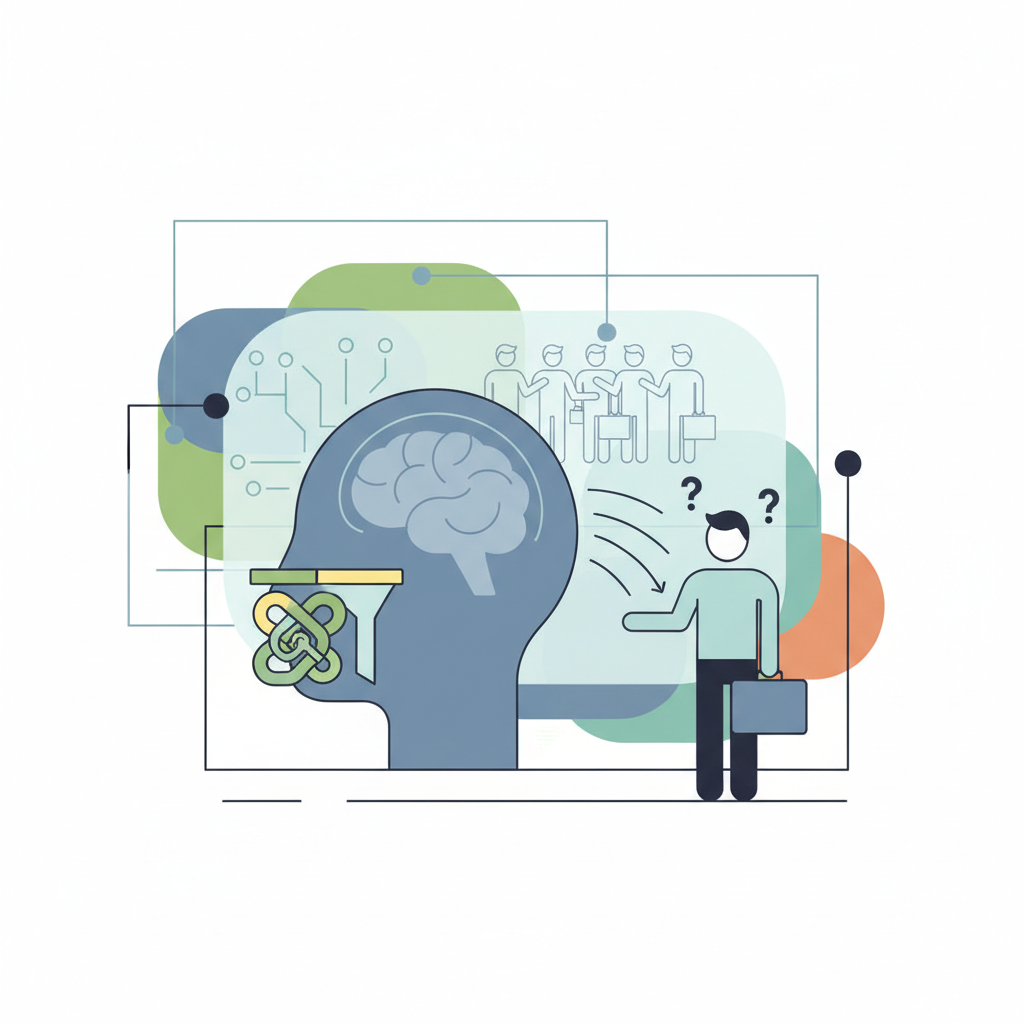
Google employees have reportedly circulated internal guidance advising job applicants on how to get past the company’s AI-driven hiring filters, highlighting growing friction between automated recruitment tools and the people they are meant to evaluate. If such advice exists even unofficially, it suggests some insiders believe qualified candidates are being screened out before a human recruiter ever sees their application. For HR leaders and remote job seekers, the report raises a difficult question: if a company’s own people do not fully trust its hiring technology, why should applicants?
The conversation around AI in hiring has shifted quickly. What began as a promise to reduce recruiter workload and surface stronger candidates has become a source of anxiety for applicants who feel they are writing for algorithms rather than people. The reported guidance at Google is notable because it comes from within a company that develops AI tools. When employees share tips on sidestepping their own employer’s screening systems, it signals that the technology may be filtering for the wrong things.
What the internal advice reportedly suggests
According to HR Executive, an internal document advises some job applicants on how to navigate or sidestep Google’s AI screening tools. The guidance appears to acknowledge a practical reality: many online applications are first parsed by software that scans for keywords, formatting signals, and role-specific language before a human recruiter reviews them. Job seekers who do not understand these systems may submit strong applications that never reach a decision-maker.
Common advice in such situations usually includes mirroring the exact words used in the job description, simplifying resume formatting so automated parsers can read it cleanly, and applying through employee referrals or direct recruiter contact when possible. The deeper problem is not the advice itself; it is that candidates need it at all. A hiring process should allow a qualified person to be evaluated fairly on their experience and skills. When success depends on optimizing for an algorithm, the system can favor applicants who are better at gaming the process over those who are better at the job.
Why this erodes trust between candidates and employers
Trust is fragile in hiring. Candidates often feel they are sending applications into a void, with little feedback and long silences. AI screening can deepen that frustration because the rejection feels impersonal and unexplained. If an automated filter rules out a candidate because their resume used “managed distributed teams” instead of “led remote teams,” the candidate may never learn why. Over time, this creates a perception that the process is arbitrary, even when the underlying system was designed with efficiency in mind.
For remote workers, the stakes are especially high. Remote applicants frequently rely entirely on digital submissions, so they cannot walk into an office, attend a recruiting event, or informally hand a resume to a manager. Their first impression is shaped almost completely by how well their application survives an automated screen. If the technology disproportionately screens out capable remote candidates, companies may be quietly narrowing their own talent pools.
Employer brand also suffers. When word spreads that a company’s own staff feel the need to coach candidates around its hiring software, applicants may wonder whether the organization truly values human judgment. This is not just a Google issue. Any large employer that relies on high-volume applicant tracking and AI screening faces the same risk. The perception of a black-box process can discourage strong candidates from applying, especially those who have been burned by automated rejections before.
What HR leaders can learn from the reaction
HR teams do not need to abandon AI screening tools to address these concerns, but they do need to bring more oversight and transparency to how those tools are used. Regular audits can check whether filters are rejecting candidates who should have advanced. Testing for bias across gender, race, age, and non-traditional career paths is essential. Clear communication with applicants also matters: telling candidates how their information will be reviewed, what stages are automated, and how they can appeal can reduce the sense of powerlessness.
Organizations should also consider a human-review safeguard. If a candidate meets a reasonable threshold of relevant experience but misses an exact keyword match, a recruiter should have the chance to review the application before it is discarded. This is especially important for roles that require less standardized skills, such as leadership, creativity, or client-facing work, where keywords are weak predictors of success.
Finally, internal feedback should be taken seriously. If employees are quietly warning candidates about the hiring process, that is a signal that something is not working as intended. HR leaders can treat it as free user research. The people closest to the work often know best how the hiring experience feels from the outside. Platforms that connect remote workers with flexible roles, such as XMF, face the same challenge: matching technology must be explainable, fair, and auditable if it is to earn trust from both candidates and employers.
AI hiring filters are not going away, and they can be valuable when used responsibly. But the reported Google case is a reminder that automation works only when people believe it is working for them. Candidates who feel they must trick an algorithm to be seen are not experiencing a fair process. HR leaders who listen, test their tools, and make room for human judgment will be better positioned to attract and retain the remote, distributed workforce of the future.
Originally published by XMF, inspired by publicly reported industry news.
 Likes 0
 Save
Save
 Copy Link

 沪公网安备 31011702008840号
 Electronic Business License